Senior care’s secret to higher retention and satisfaction

Senior care is entering a decisive era of modernization and growth. And leaders are required to balance rising resident expectations, staffing dynamics, and increasing operational complexity, all while creating environments that feel personal, compassionate, and dependable.

But there’s a secret weapon that can help, and it’s something you already collect. Resident feedback is powerful and it’s no longer a periodic checkpoint, it’s a strategic capability.

Organizations that leverage ongoing feedback can help strengthen resident satisfaction, support workforce stability, and make confident, data-driven decisions. In this blog, we’ll take a closer look at the impacts and strategies to help you make the most of what your residents have to say.

The case for regular feedback

For years, annual surveys served as the primary mechanism for measuring satisfaction and engagement. They provided a useful perspective, but only as a snapshot in time. Today’s senior care environment moves too quickly for once-a-year visibility.

Staffing models fluctuate. Resident expectations continue to rise. Families expect responsiveness and transparency comparable to other service industries.

Continuous feedback cycles support efforts to keep leadership closely attuned to change. Capturing feedback at key points throughout the resident journey offers insights into what residents, families, and care teams experience in real time.

These key points can include move-in, care transitions, onboarding milestones, training checkpoints, and other important moments of care you would like to capture.

When paired with meaningful industry benchmarking, this approach becomes even more powerful. Benchmarks provide essential context, helping leaders determine whether a satisfaction score signals differentiation or reflects the norm. With that comparison, organizations can set realistic performance metrics and allocate resources more strategically.

Continuous feedback reframes surveys into actionable operational intelligence.

Impact on resident experience

Daily interactions, communication, personalization, responsiveness, and trust shape the resident experience. Ongoing surveys provide leaders and frontline teams with near real-time visibility into how residents receive those interactions.

Rather than waiting months to spot new concerns, teams can find patterns early, act faster, and reinforce what works.

This responsiveness strengthens trust, and trust influences long-term outcomes.

And in senior care, it’s no secret that trust is paramount. Referrals, online reputation, and occupancy stability closely correlate with resident satisfaction. Families rely heavily on digital reviews and peer recommendations when evaluating communities. A visible commitment to listening and acting on feedback helps reinforce credibility.

Even more importantly, ongoing feedback often reveals specific insights that are reflected in satisfaction scores.

Individually, refinements can enhance daily experiences. Collectively, they shape overall perception of quality.

Continuous listening enables organizations to respond to lived experience in real time, connecting person-centered care directly to measurable satisfaction indicators.


Impact on staff retention

Your teams’ daily experiences shape resident outcomes. Resident outcomes also shape your teams’ daily experiences, showing how interconnected they are. When employees feel supported, heard, and equipped with the tools needed to succeed, the positive effects show in care quality, efficiency, and resident engagement. Conversely, communication breakdowns and unclear expectations can ripple outward into the resident experience.

With turnover rates remaining a strategic focus across the industry, particularly among frontline workers, early visibility into engagement trends is critical. Continuous feedback strengthens efforts to identify engagement shifts before they escalate.

Rather than waiting for annual surveys, you can monitor important staff trends regularly in areas such as:

  • Sustainable workloads and flexibility
  • Effectiveness of communication and coordination
  • Access to training and development
  • How teams feel about work-life balance

This enables just-in-time interventions. These interventions may include targeted support, coaching conversations, staffing adjustments, or workflow refinements that are provided when they’re needed most.

When employees see that their feedback leads to thoughtful action, it reinforces trust and shared accountability. Over time, this approach helps stabilize workforce models and strengthens organizational culture. Team longevity and stability plays a central role in long-term retention and resident satisfaction.

How to turn feedback into action

Data collection alone doesn’t drive progress, it’s how you use it that does.

By establishing clear processes for translating insight into measurable improvement you can leverage feedback trends to improve performance. Effective approaches often include:

  • Define review cadence: Review survey data regularly, at least quarterly, to spot trends and avoid reacting to single comments.
  • Identify ownership and accountability: Assign insights, define action plans, and set timelines.
  • Establish resolution policies: Structured response windows, such as a defined resolution timeline, create operational clarity and consistency.
  • Analyze trends and benchmarks: Track performance over time and compare it with peer benchmarks. This gives context for setting goals and prioritizing resources.

A practical framework follows a simple cycle: Listen, analyze, prioritize, act, measure, and communicate.

Closing the loop is essential. When residents and employees observe visible follow-through, engagement deepens and leadership credibility strengthens.

Implementing effective solutions to feedback findings also requires alignment across leadership teams. Insight should inform strategic planning discussions, workforce development initiatives, and quality improvement priorities. Not live in isolated reporting. Incorporating feedback into daily workflows enables continuous and scalable improvement.

That’s the shift from measurement to performance management.

Elevate your feedback strategy

The next evolution of senior care leadership is rooted in clarity, responsiveness, and measurable action.

Organizations committed to strengthening resident satisfaction and workforce stability are increasingly exploring integrated, real-time approaches to experience management.

By working with experienced industry innovators like Activated Insights, in collaboration with MatrixCare experts, providers can launch effective feedback programs. These programs support clear operations, measurable improvement, and lasting engagement.

If you’re evaluating how ongoing feedback can support your organization’s next phase of growth, see how a more integrated approach with Activated Insights can align with your strategic goals.

Explore how MatrixCare can help you leverage feedback.

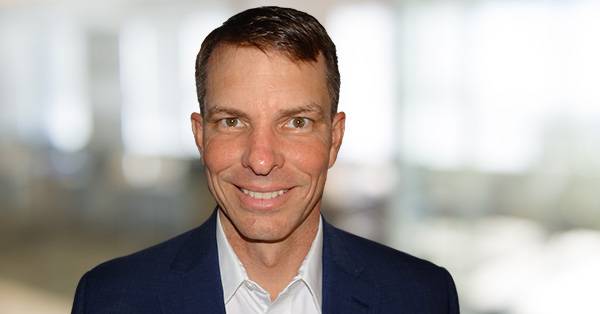
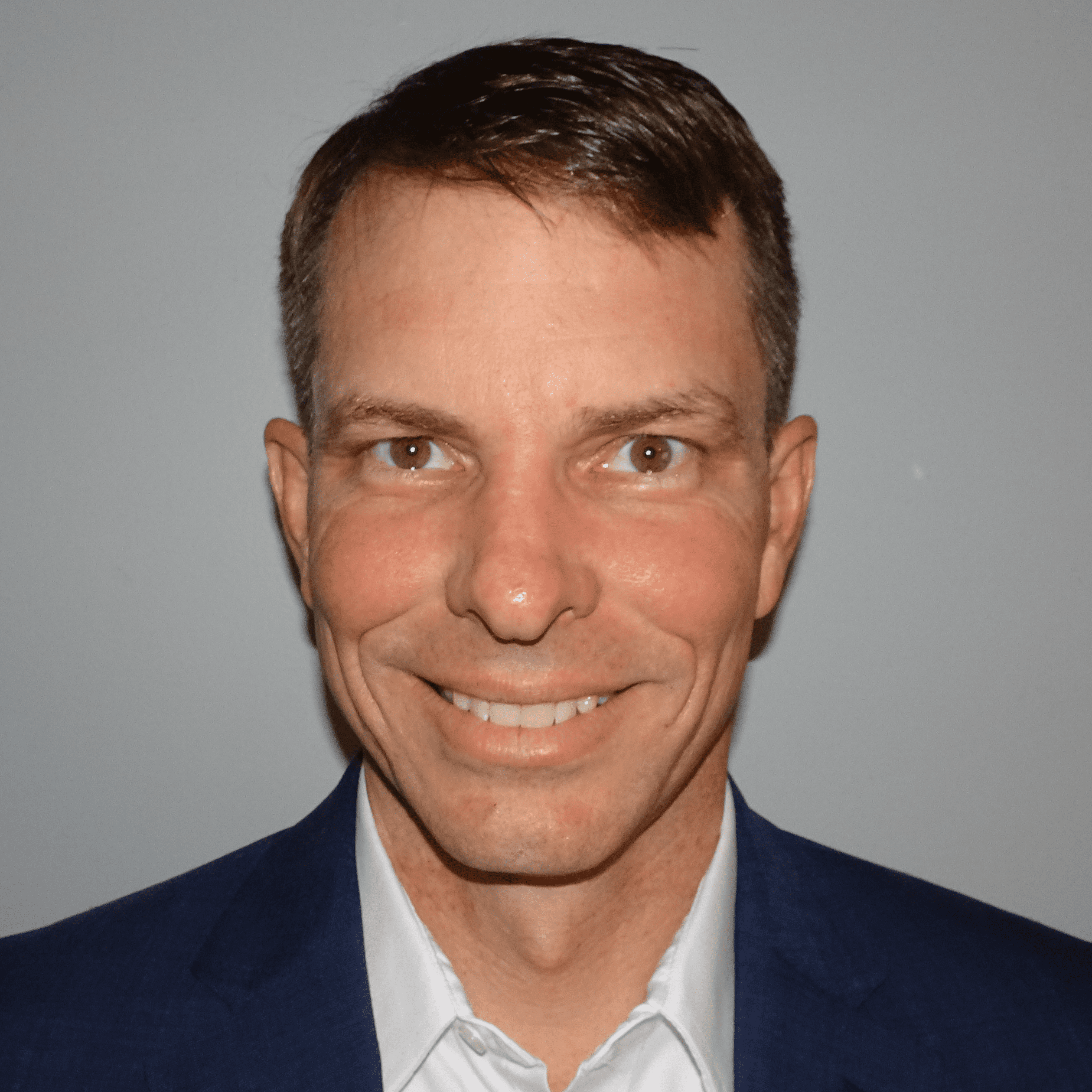
Denny Huebner

Denny Huebner is head of customer experience for MatrixCare, leading a 140-person team across support, professional services, technical services, education, and customer success. He has nearly three decades of experience in the post-acute industry, including direct experience working inside skilled nursing. Throughout his long tenure at MatrixCare, Denny has held senior leadership roles spanning customer success, product, partner programs, and strategic transformation.

Two office professionals looking at a laptop

See MatrixCare in action

Start by having a call with one of our experts to see our platform in action.